Strength · Capacity · Endurance
Every athlete.Every exercise.On one scale.
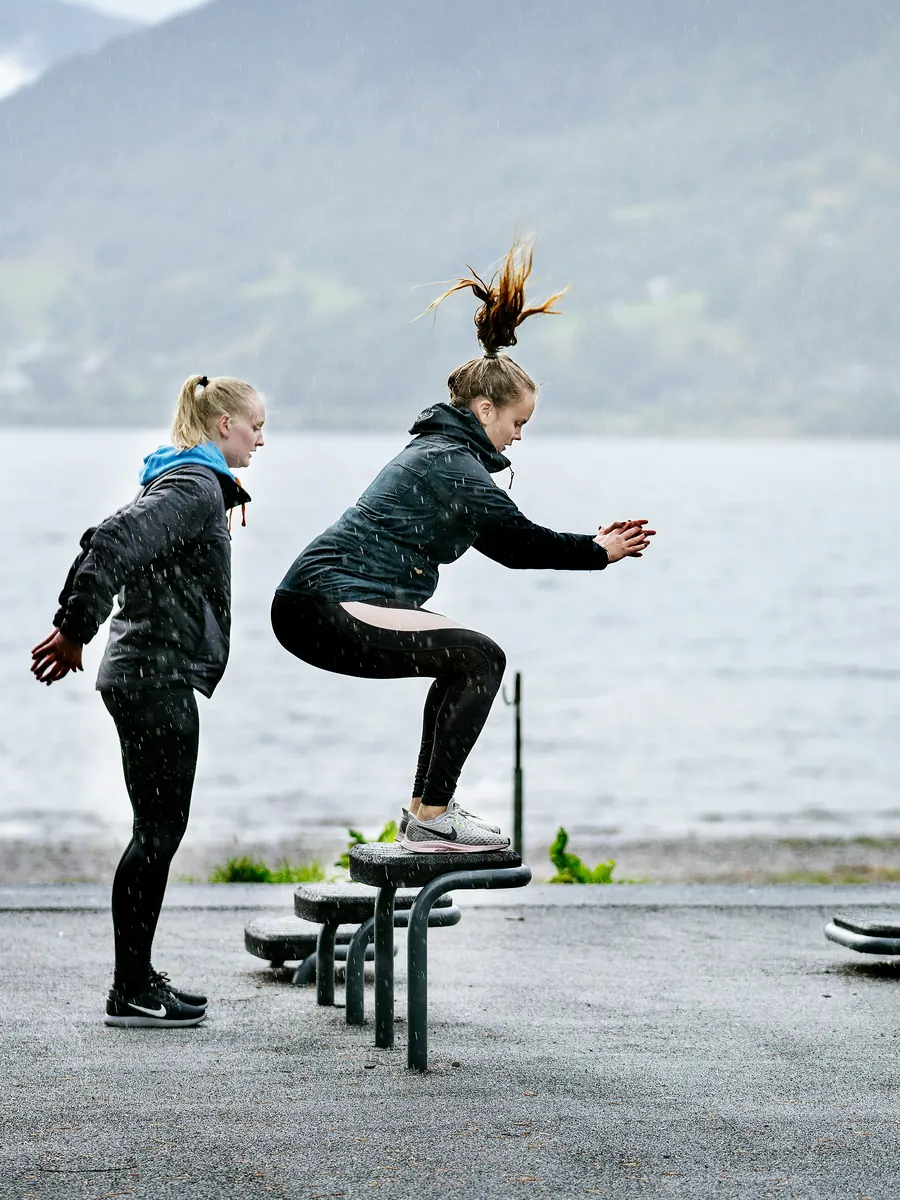
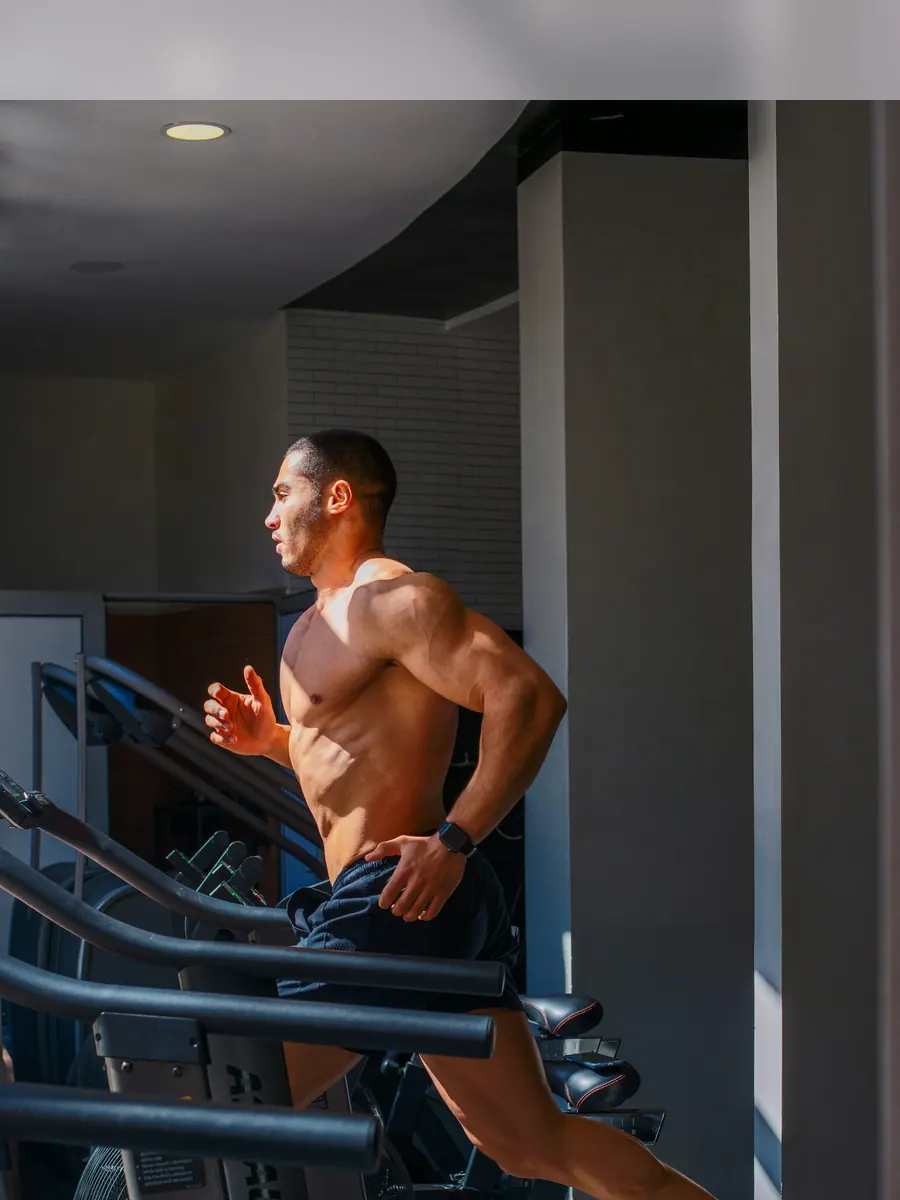
A heavy single, an AMRAP and a half marathon have never had a common answer. FITNDEX measures what each one produced from a phone camera and scores them on the same rating, whether you compete or just train like you do.
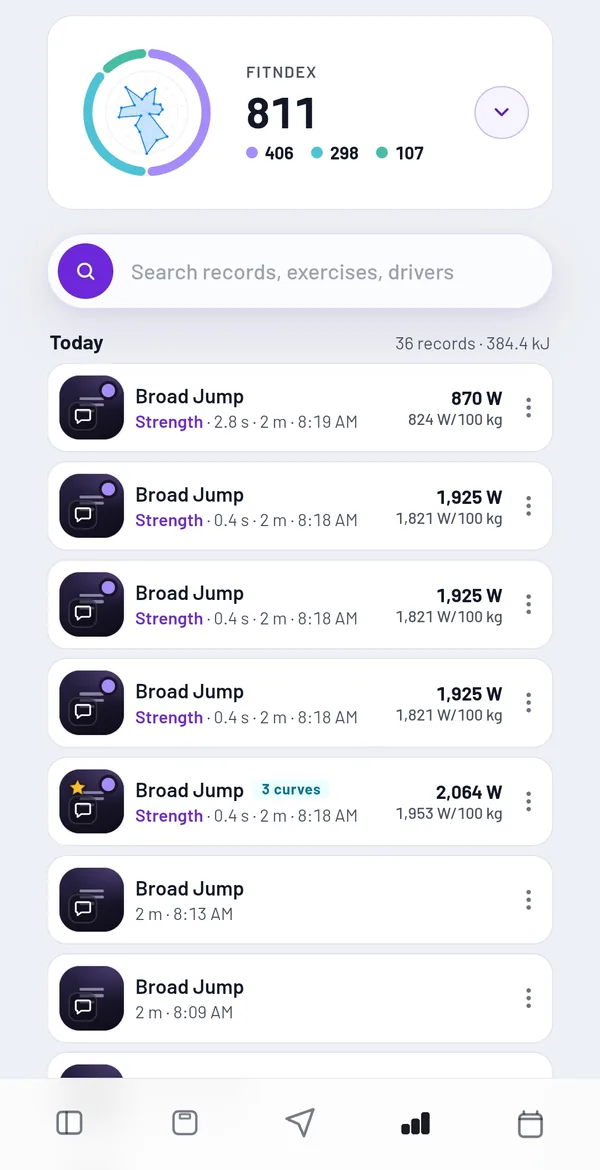
FITNDEX Ratingexample
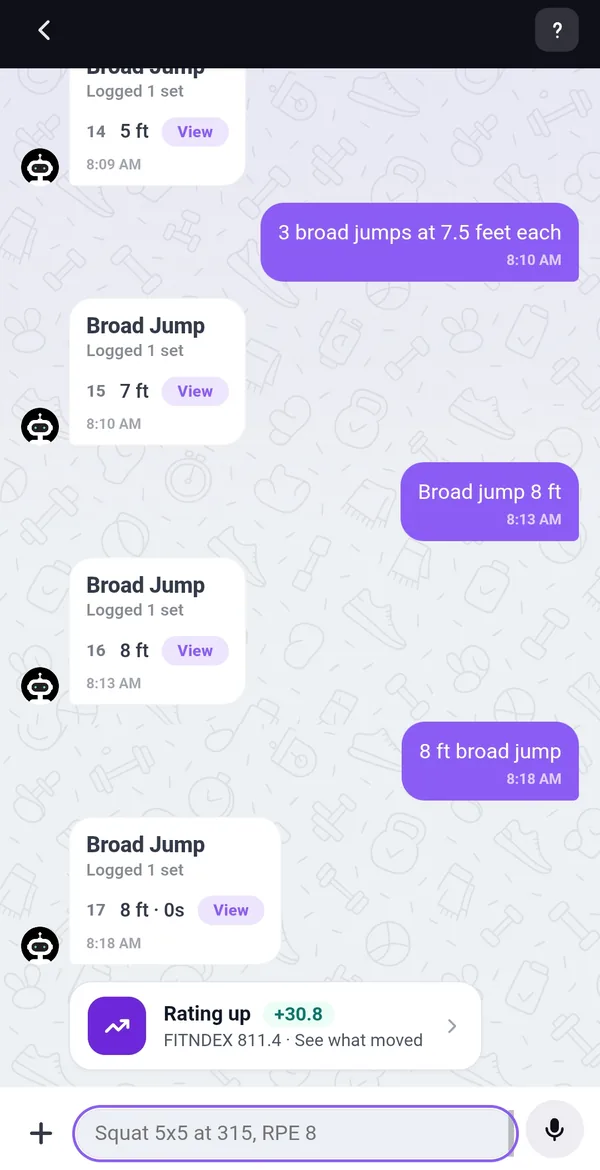
No wearable. No tether. No bar-mounted sensor. A phone camera is the instrument.
Your frame
Measured on you, not on an average.
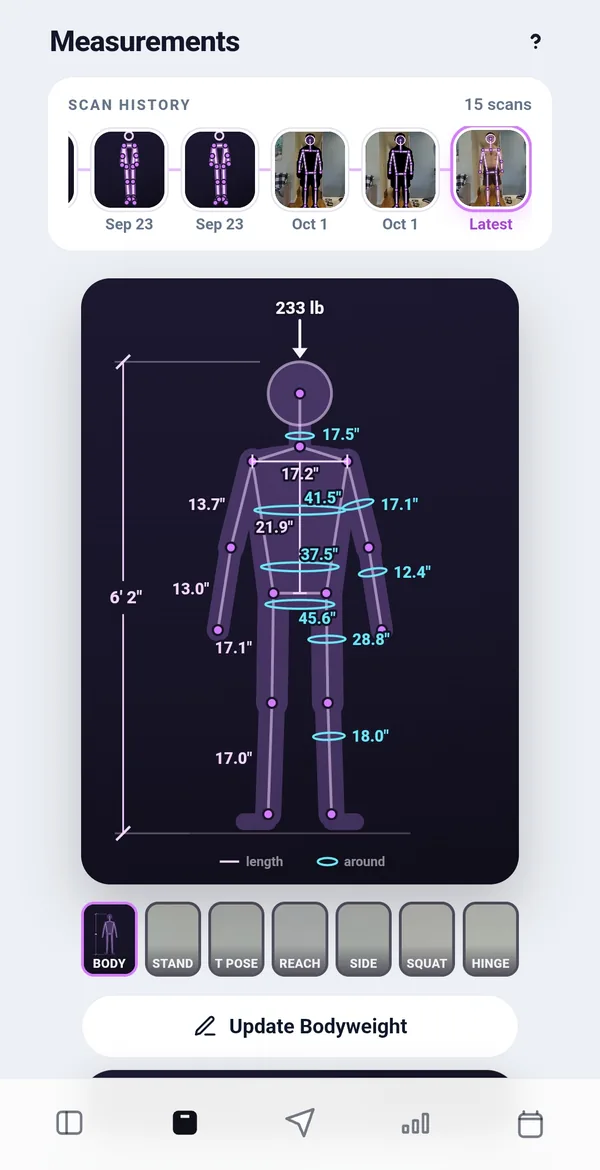
Height, weight, and a scan where you stand still for three seconds. That is what makes bodyweight work measurable: the app knows how far your body travels through a rep, so a pushup at your size is a different amount of work from anybody else's, and the record reflects it.
- Scan
- 3 seconds
- Returns
- height, weight, body map
Ruck
Vest
Cover
WeaponCarried load
Every pound you carry is in the number.
Ruck, plate carrier, helmet, weapon system. Tell the app what is on you, or name it and the standard weight is applied, and it all enters the work as mass that moved. A loaded march and a barbell session are the same arithmetic, so they end up on the same scale.
- Counted
- body and kit
- Entered as
- mass moved
Bar speed
Rep speed, measured from the clip.
Velocity is the first thing fatigue takes and the last thing a log records. FITNDEX reads the speed of every repetition from the video you filmed, then derives work and power from it, so five reps at one load read as five different efforts instead of one line in a notebook.
- Per rep
- velocity, work, power
- Hardware
- a phone camera
Four ways in
Your measured fitness, however you train.
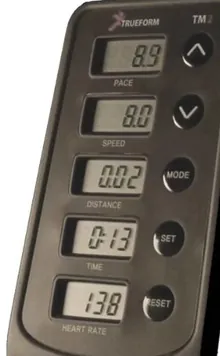
Type the set, photograph a rower console, film the lift, track the run. Each route produces the same thing: a record with measured output attached, on the same scale as everything else you log. The lifter and the runner finally share a unit.
- Inputs
- 4
- Wearables
- 0
The rating
Strength, capacity and endurance in one number.
Strength is what you produce at once. Capacity is what you repeat. Endurance is what you hold. Powerlifting lives in the first, bodybuilding and conditioning work in the second from opposite directions, distance work in the third. Each is scored on its own terms, and the rating is the sum.
- Rating
- 73
- Windows
- 3
Movement drivers
Eighteen drivers, scored separately.
Every exercise is split into the drivers it works: a low bar squat is 70 percent squat, 20 percent hinge, 10 percent bracing. Score drivers rather than exercises and any two lifts become comparable, while the patterns you have been avoiding stop hiding behind the ones you like.
- Drivers
- 18
- Per exercise
- measured split
Personal limits
Your limits, visualised.
Every set is a point on the driver it worked: a power, held for a duration. Together they mark the edge of what you have proven. A curve through those points extends the picture to durations you have not tested, clamped at your best recorded output, so a target can be set against you rather than a population average.
- Max power
- 900 W
- Built from
- 8 sessions
Load management
Load management, visualised.
The work a session puts on each driver is compared against that driver's own ceiling before you start. Here the legs sit inside and the brace is over, which means the set fails on bracing rather than strength. Add rest or drop a repetition and it comes back inside.
- Checked per
- driver
- When
- before the first rep
- A phone camera
- No wearable
- No tether
- No bar-mounted sensor
- No gym equipment that reports
What it takes
All of it, from a phone camera.
No velocity tracker on the bar, no chest strap, no watch, no machine that talks to an app. Measurement that used to need a laboratory now needs the thing already in your pocket, which is the difference between data you collect once and data you collect every session.
- Hardware
- a phone
- Setup
- prop it up and lift
Twelve months
One number, a year of training.
This one started at 18 and finished at 73. Every point came from sets, runs and walks logged on a phone across all three windows. That is the test worth applying to any training system: after a year, did the number move.
- Change
- +55
- Span
- 12 months
One scale
Train with confidence.
Not because we say so. Because the speed of the bar is measured, the gaps are visible, and the number moves.
Figures on this page are examples from a fabricated profile one year in. Per-repetition velocity, work and power from video, the driver rating and the movement-driver library are in the product today. The capacity model for resistance training is in validation with university partners.